
Beyond “Girl Math”: Helping Students Rethink Spending Habits
By Dorothy Vazquez
On Mar. 26, students gathered in the Student Life Lounge at Chaffey College for “Girl Math Lunch and Literacy.” The event was a Women’s History Month workshop aimed at helping students better understand their spending habits and the basics of managing money.
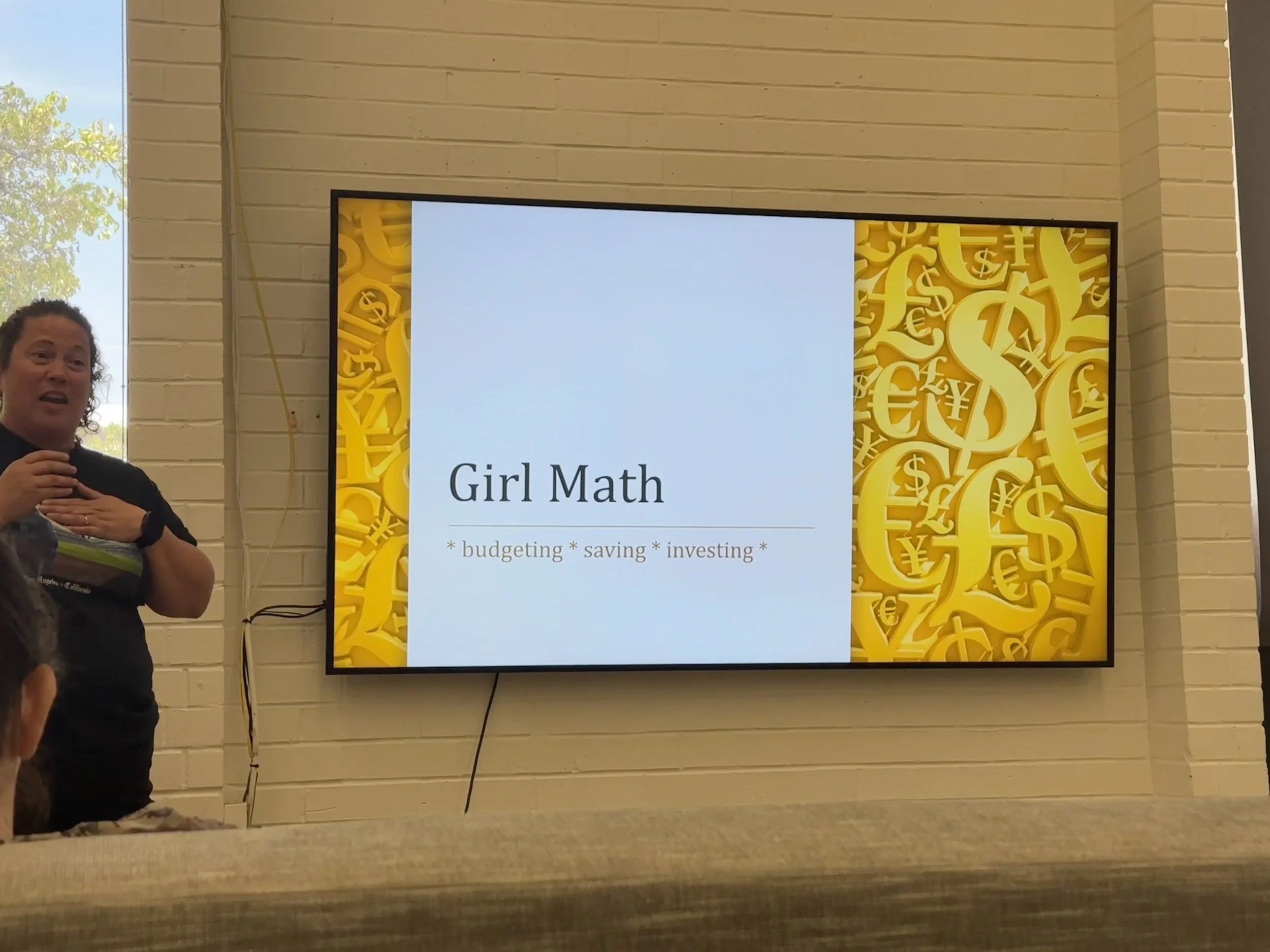
Image courtesy of Dorothy Vazquez: Meslissa Diaz beginning her “Girl Math Lunch and Literacy” event.
With an engaging and conversational atmosphere, the event opened with a question that drew both laughter and a sense of recognition from the audience: “Why am I broke?”
The workshop was led by Melissa Diaz, a maintenance and operations staff member at Chaffey College. She previously worked in the college’s budgeting office and drew from her experience in accounting and finance. Diaz translated complex concepts into practical advice for students navigating everyday expenses.
Throughout the session, Diaz emphasized the importance of budgeting, encouraging students to start by identifying their income and organizing expenses by priority. She stated that essential needs—such as housing, food, and utilities—should come first, followed by nonessential spending.
“Financial literacy is the knowledge of how to be smart about money,” Diaz said. “It is about understanding how you spend it, save it and protect it."
She also addressed the impact of small, frequent purchases, a concept often overlooked.
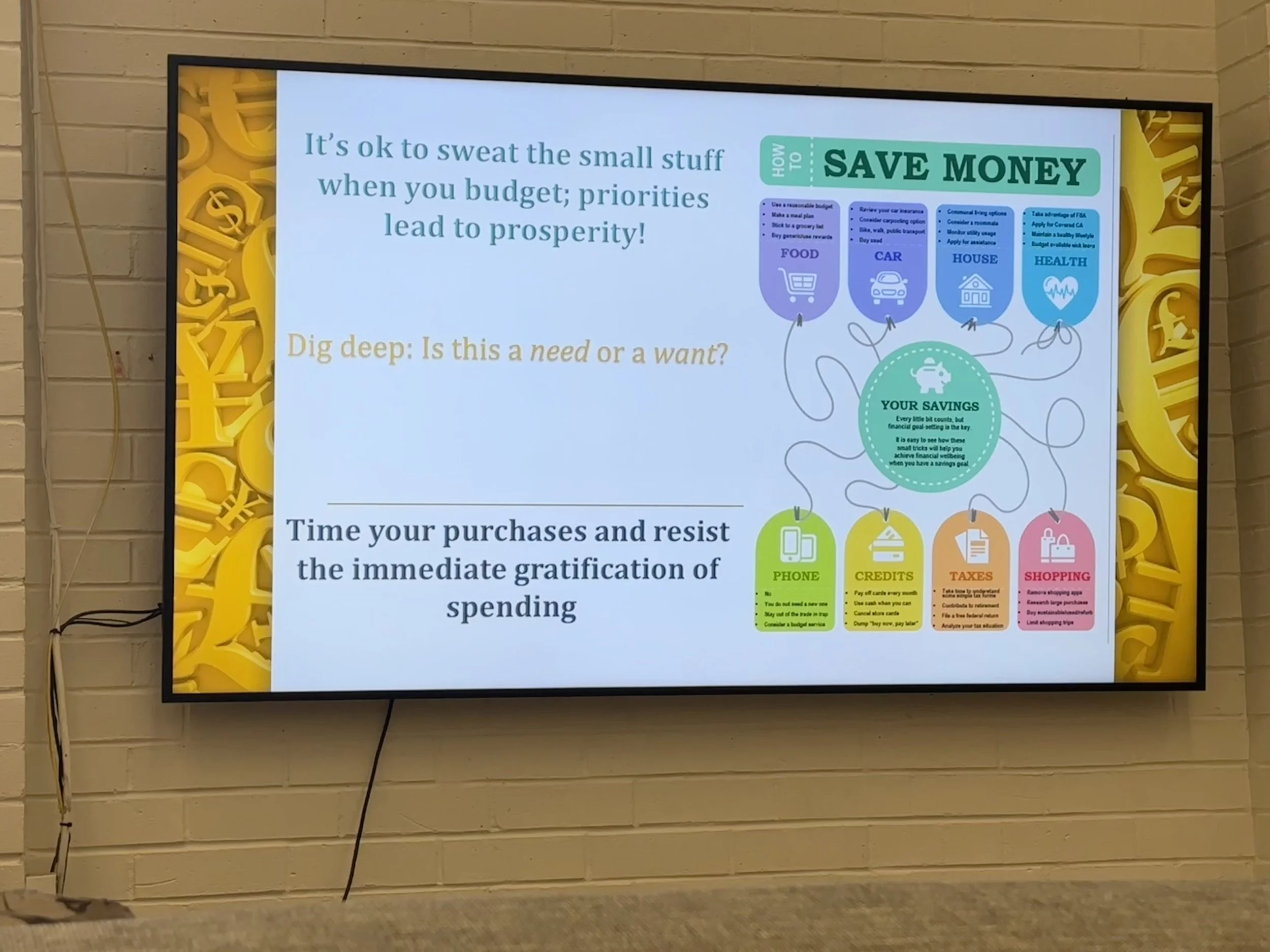
Image courtesy of Dorothy Vazquez: A powerpoint slide from the event encourages students to consider whether their desires are wants or needs before making purchases.
“When you spend five dollars every day, it doesn’t feel like much,” Diaz explained. “But that adds up to hundreds of dollars a month.”
Rather than framing budgeting as restrictive, Diaz encouraged students to be intentional with their spending. One strategy she suggested was delaying purchases by putting items in an online cart and revisiting them later to determine whether they are really necessary.
The workshop also introduced students to investing concepts, including risk, stocks, and bonds.
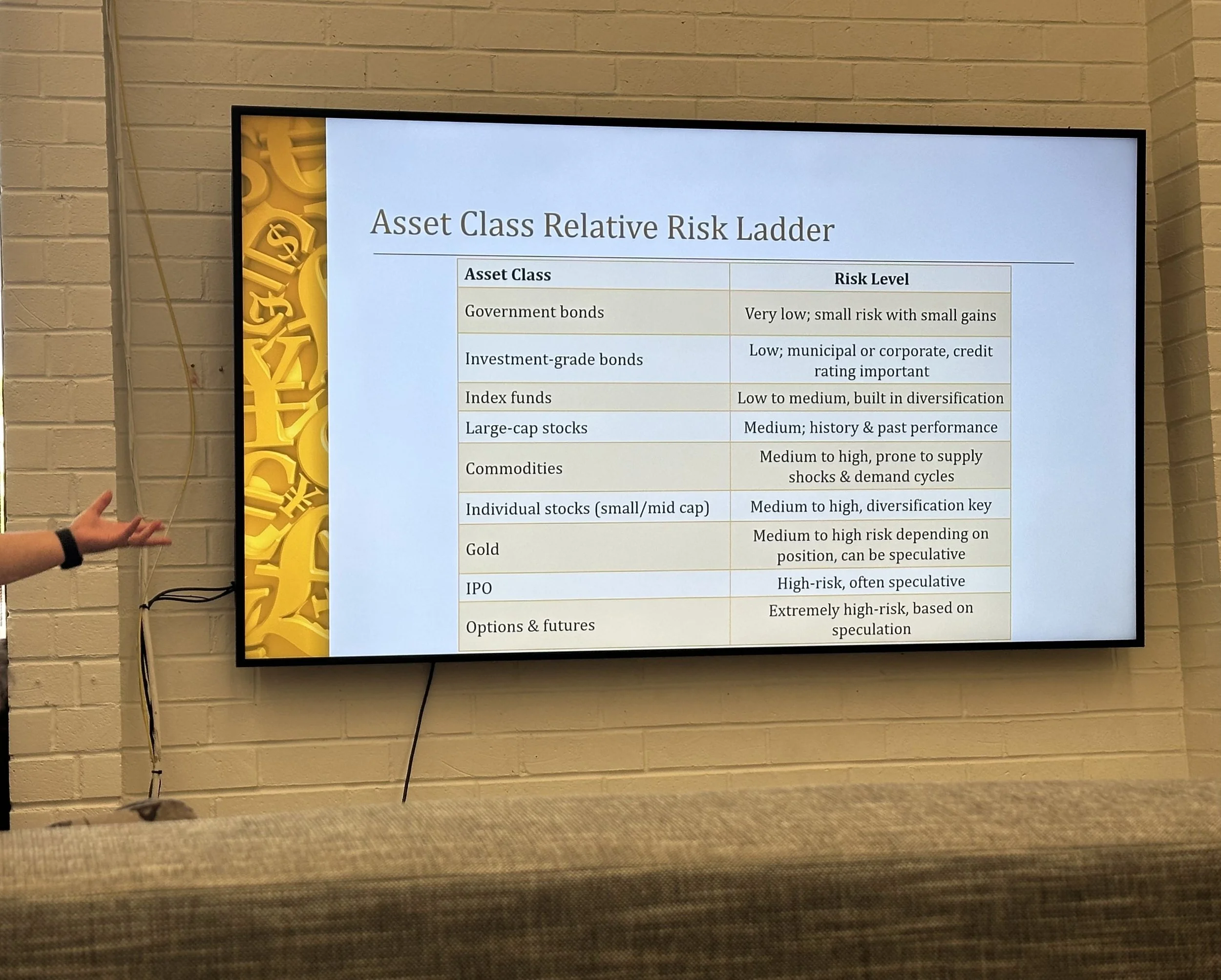
Image courtesy of Dorothy Vazquez: A powerpoint slide from the event describing the various risk/reward levels of investment.
Diaz broke down how different investments vary in stability. She said that safer options tend to grow slowly, while higher-risk investments can lead to greater gains or losses.
She emphasized that students should avoid investing based on the hype of it and instead focus on understanding where their money is going before they commit.
“Do not invest in something you don’t understand,” she said, warning against relying on trends or speculation.
In addition to financial strategies, the session also started conversations about larger issues, such as ethical investing and the pressures of managing money as a student. Diaz stated that while some investments may not align with personal values, the decision ultimately comes down to the individual, including how they choose to use the money they earn.
A key takeaway from the workshop was the importance of starting early. Even small amounts of money saved or invested over time can grow significantly through compound interest, challenging the misconception that financial stability requires large sums of money upfront.
Ultimately, the workshop emphasized that financial literacy is not about having a lot of money, but about building awareness and making informed choices over time.