
Locked Up, Paid Pennies: The Push for Fair Prison Wages
by Ryann Jones
Rising Voices is a series of articles written by incarcerated journalism students at the California Institute for Men (CIM) in Chino, CA, in partnership with Chaffey College’s student paper, The Breeze. These students are working towards their AA-T degrees in Journalism through Chaffey College’s Rising Scholars Program. This series is dedicated to amplifying the voices of incarcerated reporters through accurate, ethical, and impactful journalism. Our mission is to illuminate lived experiences behind the walls and foster understanding across communities.

Across California’s prison system, thousands of incarcerated people work every day for wages that fall far below what anyone outside would consider livable. Many earn between eight and thirty-seven cents an hour, depending on the job. These low wages make it nearly impossible for people in custody to manage basic expenses much less meet their legal financial obligations
California law requires restitution payments in most felony cases, but the current wage system, that leaves incarcerated people with almost nothing left. A significant portion of their paychecks is automatically taken to cover restitution.
Even basic hygiene items or phone calls can quickly drain whatever remains. This financial strain limits an individual’s ability to prepare for reentry and contributes to long-term debt that follows them home.
For many incarcerated people, financial responsibility becomes one of the few ways they can try to make amends in a situation where most harm can’t be undone. Being able to pay even small amounts toward restitution lets someone feel like they are finally taking ownership of something that is theirs to fix. When wages are so low that these payments barely move, the chance to show accountability starts to feel out of reach.
As concerns grow over fairness and rehabilitation, some advocates argue that raising prison wages is essential to preparing individuals for a stable and lawful life after release.
In the past, programs like California joint venture initiative allowed some incarcerated workers to earn closer to market wages through partnerships with private companies. These opportunities were designed to help individuals learn real-world job skills and generate enough income to meaningfully contribute toward restitution.
However, the number of these programs declined over time, leaving most workers with only traditional prison jobs and extremely low pay. As a result, the gap between financial obligations and actual earnings has become wider than ever.
Inside the prison system, almost every job that keeps the place running is done by incarcerated workers, from cleaning housing units to mopping floors and taking out trash. Others work in the kitchen before sunrise, maintain the grounds, or assist with filing, clerical tasks and library operations. These are real jobs with real responsibilities, but the pay rarely reflects the value of the work performed.
Today’s wages simply do not match the expectations placed on incarcerated workers. Someone earning only cents per hour can work full-time and still fall behind on restitution, fees and additional costs like child support. Even when individuals make the effort to follow the rules and fulfill responsibilities, the lack of systemic change piles on debt. Incarcerated people are punished financially long after their sentence officially ends.
Relying on outside help often complicates a person’s progress because it usually means a family member has to go without something to send even a few dollars. That kind of sacrifice weighs heavily on someone who is trying to rebuild trust with the same people they once disappointed. Earning enough to cover basic needs on their own becomes a small but important step toward independence.
Fulfilling their own financial obligations matters because the debt belongs to them, not their families. When someone can finally make a payment on their own, it builds a habit of responsibility that programs alone cannot create. It becomes a real way to practice budgeting, planning and keeping commitments before they return home.
Fair wages would also support rehabilitation by helping people build a sense of responsibility in a meaningful way. Instead of feeling defeated by debt they can never catch up on, individuals could experience the impact of consistent work and steady progress.
This shift can help reduce the frustration and hopelessness that often accompany financial hardship behind bars. When people see their efforts produce real results, they are more likely to maintain positive habits after release.

Improved wages could also help individuals save modest amounts for housing, transportation and basic costs they will face the moment they step outside the prison gates. These early expenses are often barriers for people who leave with almost nothing. A small financial cushion makes it easier to stay focused on employment, compliance and community integration. For many, this difference could determine whether they succeed or struggle during the first critical months of reentry.
Some people argue that increasing wages inside prisons is unnecessary and claim that work behind bars should remain difficult or uncomfortable. They believe that higher pay would reduce the sense of accountability that punishment is intended to reinforce. Others say the cost of raising wages would place too much strain on the state budget. They contend that the current system is adequate and should not be changed.
However, the idea that low wages promote accountability overlooks how limiting financial support harms rehabilitation. Responsibility is learned when people have achievable goals, not when they are set up to fail.
Raising wages does not erase the consequence of incarceration – individuals would still owe restitution and serve their sentences. It simply gives them a fair chance to meet their obligations and reenter society without overwhelming debt.
Supporters argue that raising wages would not strain the budget as much as critics suggest because prison labor already offsets millions in operational costs. They say that better-paid workers are more motivated, more productive and less likely to cycle back into prison, which ultimately saves the state far more than it spends.
They also point out that reducing recidivism lowers long-term incarceration costs, easing the financial burden on taxpayers. In their view, investing in fair wages now prevents bigger expenses later.
Some former inmates say the first real step toward stability is simply being given a fair chance to earn it. They describe how even small financial progress can shift a person’s outlook and sense of purpose.
Raising wages is not about easing punishment but about strengthening the path home. In a system that is slowly shifting toward rehabilitation, supporters for fairer pay argue that opportunity should start long before release.
Ultimately, the debate over prison wages is really a debate about what rehabilitation should look like. If California wants people to return home prepared and financially stable, the current wage structure falls short.
Real change begins with recognizing that financial responsibility grows from opportunity, not impossibility. Fairer pay would strengthen reentry into society, reduce long-term debt and support safer communities.
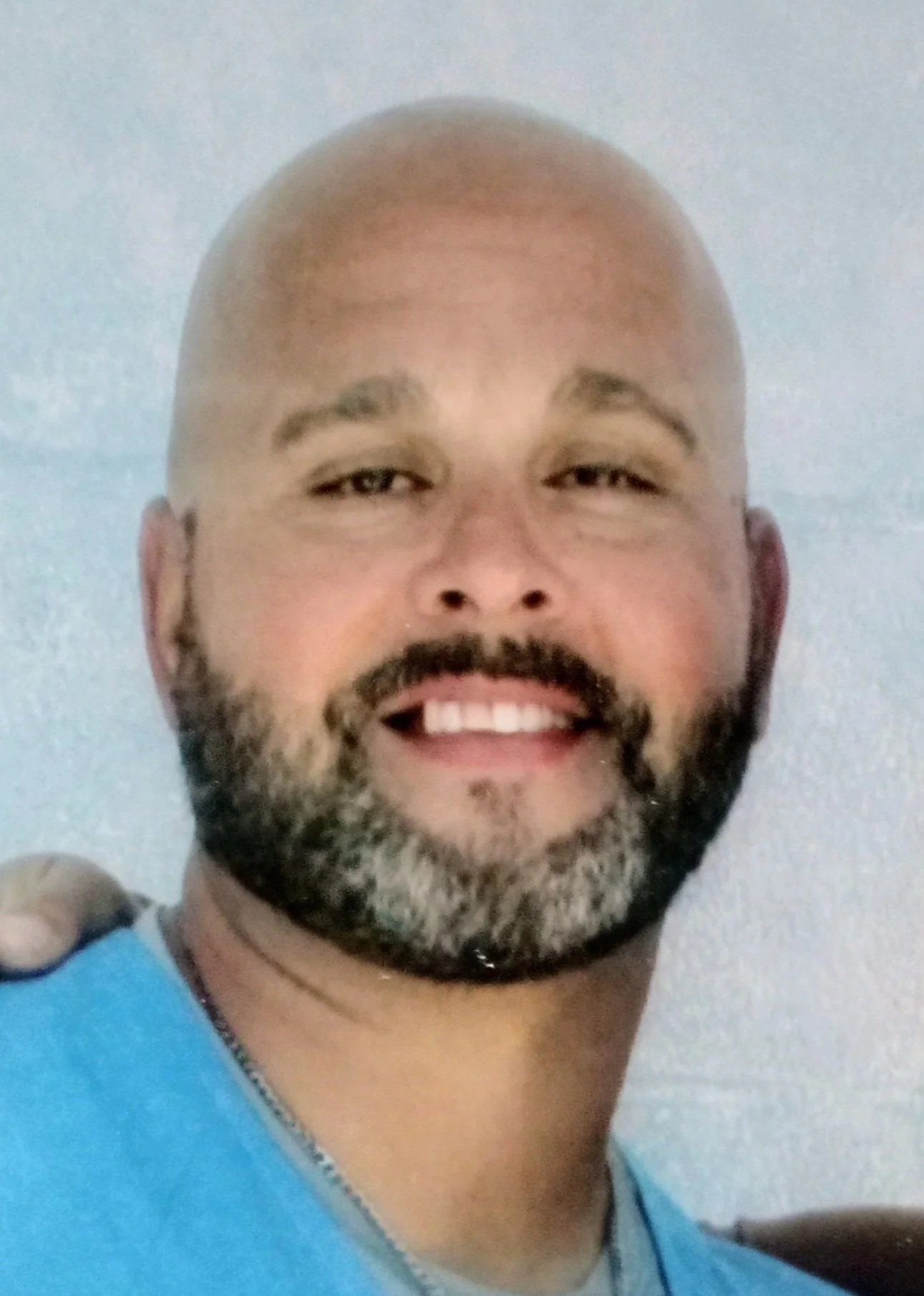
About the Writer — Ryann Jones
Ryann Jones is currently working on his Journalism degree with Chaffey College through the Rising Scholars program.
He is originally from Visalia, California, and is a husband and father to four boys.