
Moon: Learning To Love
By Miguel Murillo
Moon is a role-playing game (RPG), that is best known for its whimsical world and a host of different characters for you to interact with.
Originally released in 1997 for the PlayStation, this game garnered a cult following. It was considered unknown to many fans, especially outside of Japan, due to a lack of of reviews at the time.
1997 was a huge year for releases. Titles such as Super Mario 64"transformed the land of 3D platformers, and Final Fantasy VII did the same for RPGs. In contrast, Moon was unable to reach English-speaking audiences for many years. It was never able to get the admiration it deserved.
At this time, very few people from outside Japan got to play it through imports.
While it had been slated for localization, Yoshiro Kimura, a writer who worked on the game, said in an interview with Vice, "...it was suddenly cancelled, and we never heard why. I still wonder what happened, but still can’t imagine."
However, thanks to its recent re-release, people outside of Japan are finally able to experience the cult classic officially for the first time.
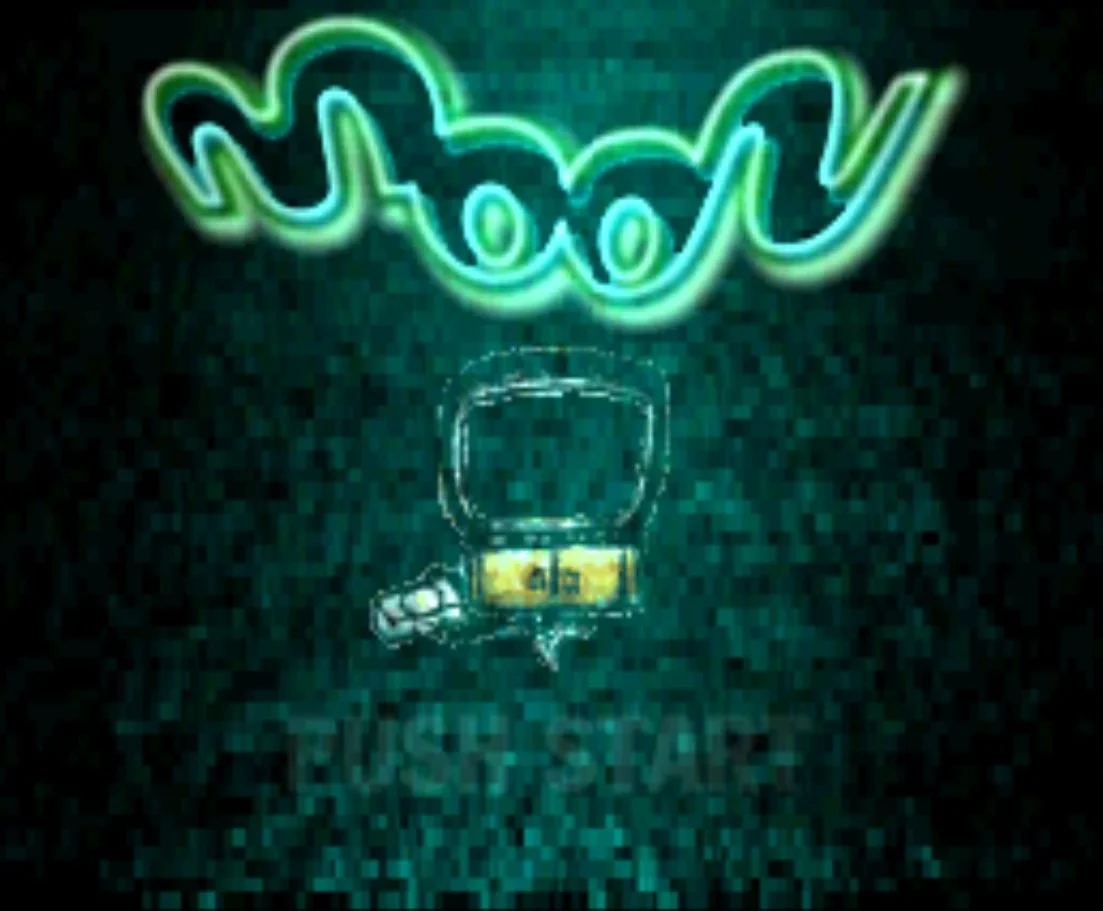
Moon’s title screen.
The game itself is unique because the goal is not tied to how player stats grow or what loot is gained. Where other games may have the player go around slaying monsters and saving the world, Moon wants the player to find the love in its world.
When the game starts, a boy is seen playing a game called MOON. Occasional progress is made by them as they work their way through different highlights of the game, playing as the hero.
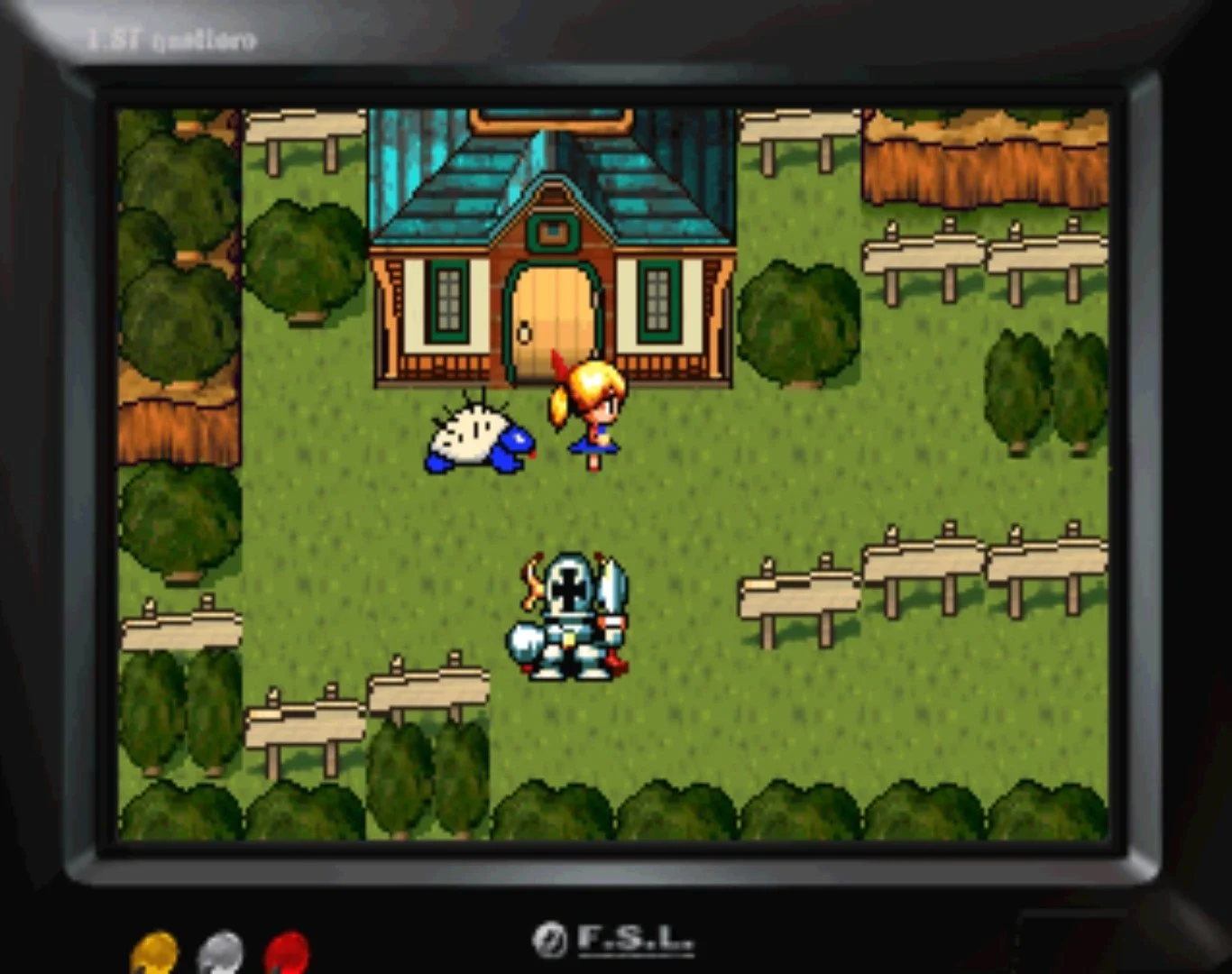
Nostalgically-animated characters contribute to the game’s overall ambiance.
It plays off many of the tropes. Simple graphics, dialogue, music and mechanics are meant to parody the typical RPGs at the time.
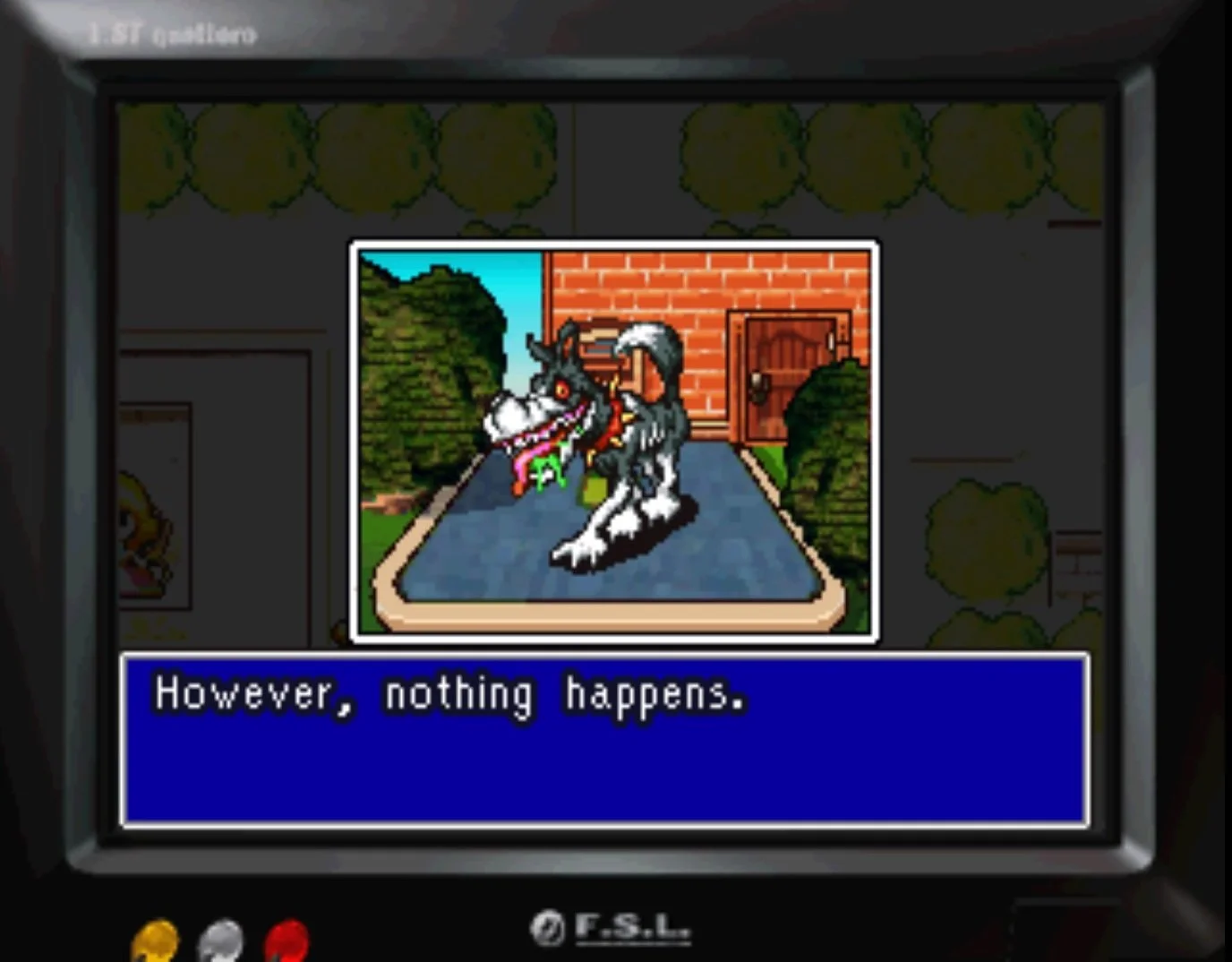
A screenshot of the game-play and in-game dialogue.
With most RPGs, the player would go to town controlling a silent protagonist. Along with slaying monsters, they go through different lands with generic dialogue and sprites that make the world feel more artificial.
However, Moon wants the player to experience the other side of the screen when it comes to the game.
One night, the boy is sucked into the world of the moon and it is up to the player to go and find “love." The world is much more detailed and lively compared to its parody counterpart, introducing more varied designs and locales. As the player progresses, they will see the events of the game play similarly to the intro of the game but under different context.
The game makes the distinction that the player and the hero of the game are two separate characters that exist in this world. As the hero generally does bad -- things like trying to slay a pet for experience -- the player is the one who is tasked with trying to collect love.
Players gain love by helping the characters in the game overcome problems or by helping the souls of the animals the hero has killed. Completing these tasks allows the player to explore more of the game world without needing to fall asleep in-game to reset the timer.
These experiences give a moment to reflect on the tasks that the player has done. Most other games will reward players by gaining strength, better items and money. In Moon, the player do not cause any destruction to get stronger.
It wants to encourage the player to think that the world was real and to see how their actions affect it. The game shows you that you can make a meaningful impact on the world. It also teaches you how to solve problems without having to use violence like in other games.
The puzzles are quite clever as they require the player to study the characters' and animals' behaviors to find clues.
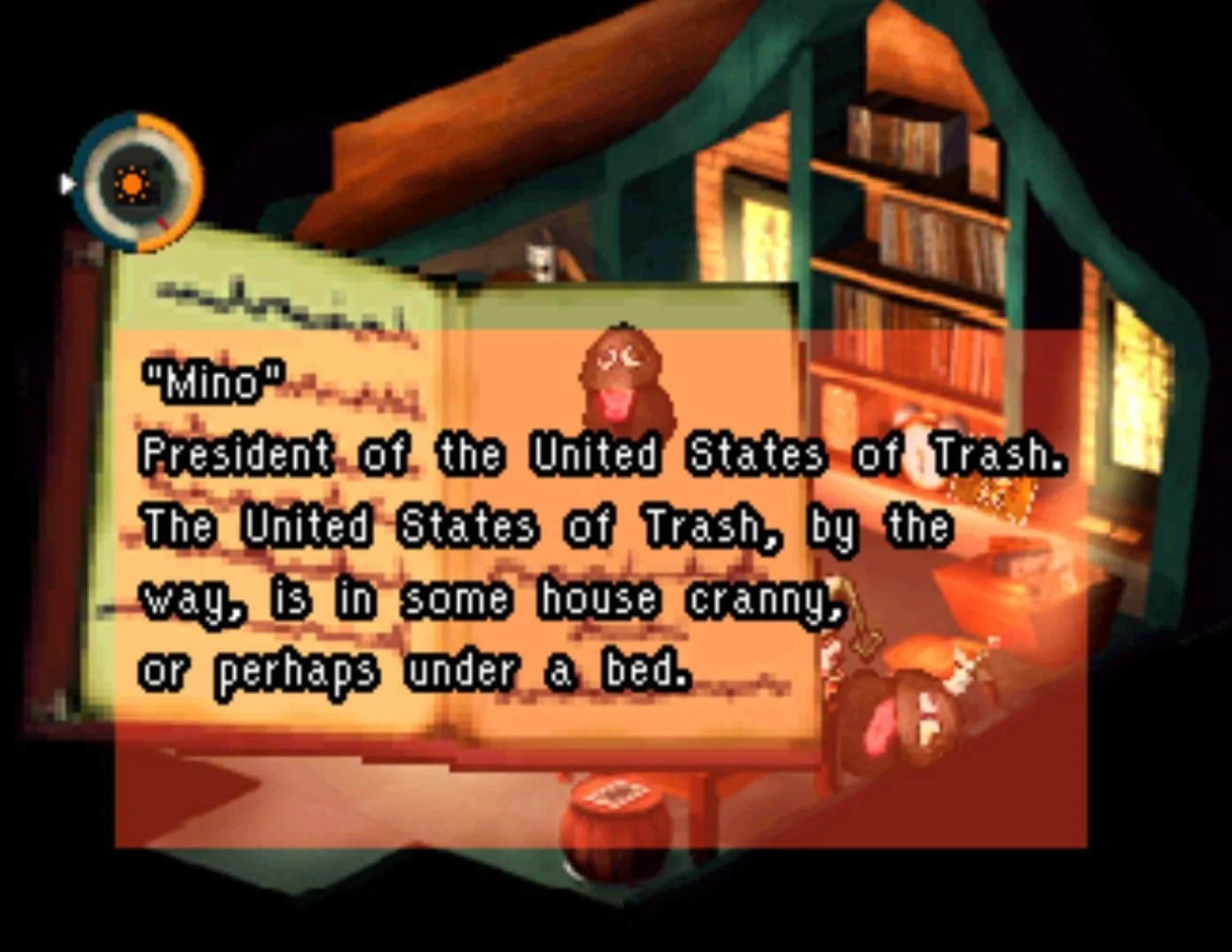
An in-game clue helps the player work their way through the game.
The many locales to explore within the game each host their own animals to interact with and problems to solve. There are many moments for the player to really soak in the atmosphere of the game.
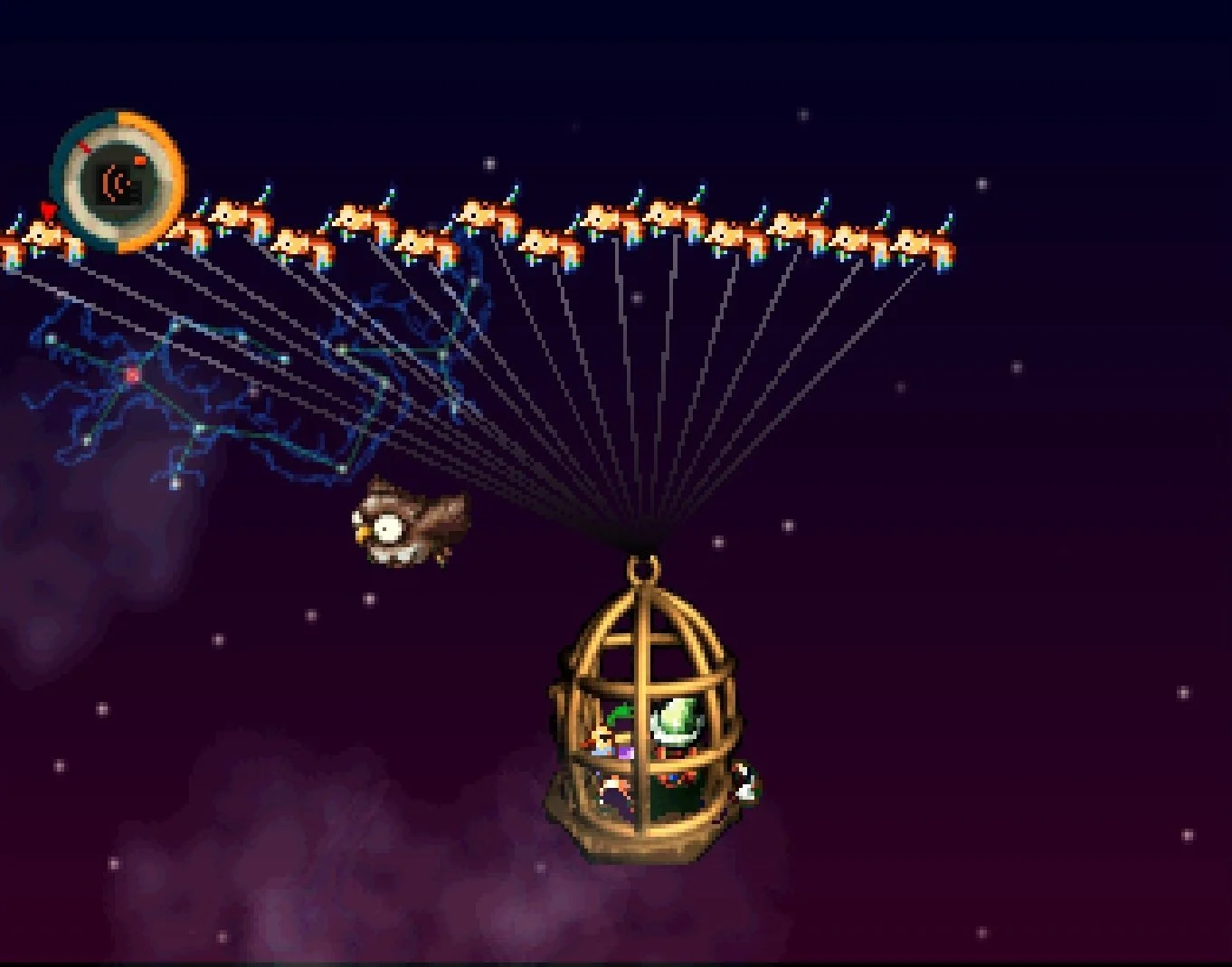
A breakaway scene helps the player feel immersed in the atmosphere of the game.
Although scarce, the reviews that were left behind were generally favorable scores.
One impact it had in the indie community was with Toby Fox, the creator of the games Undertale and Deltarune. He cited Moon as an inspiration for him.
RPGFan Reviews said in 2007, "You'll laugh, you'll cry... you'll scratch your head in confusion... in parts, you'll be very disturbed... but you'll never get bored of it, and you'll definitely enjoy every minute."
Their review refer to the writing and the puzzle solving as most important parts, as well as the way it tries to subvert the expectations of the player by being an RPG. It forces the player to have another perspective.
Moon's unique qualities take advantage of its medium and expectations. While players may expect the standard RPG, Moon gives a different experience through its writing and world. It encourages them to seek love within the world.
“Don’t be a hero. Experience the love. Experience Moon."